Start with the business priorities
Agree which services and products matter, then review the available search data, page structure and technical checks in that context.

SEO & visibility
A search might start with a product name, a problem or a question about what is right for the job. We look at how those searches connect to your offer, whether the relevant page helps someone decide, and what could be getting in the way of finding it.
Let's talk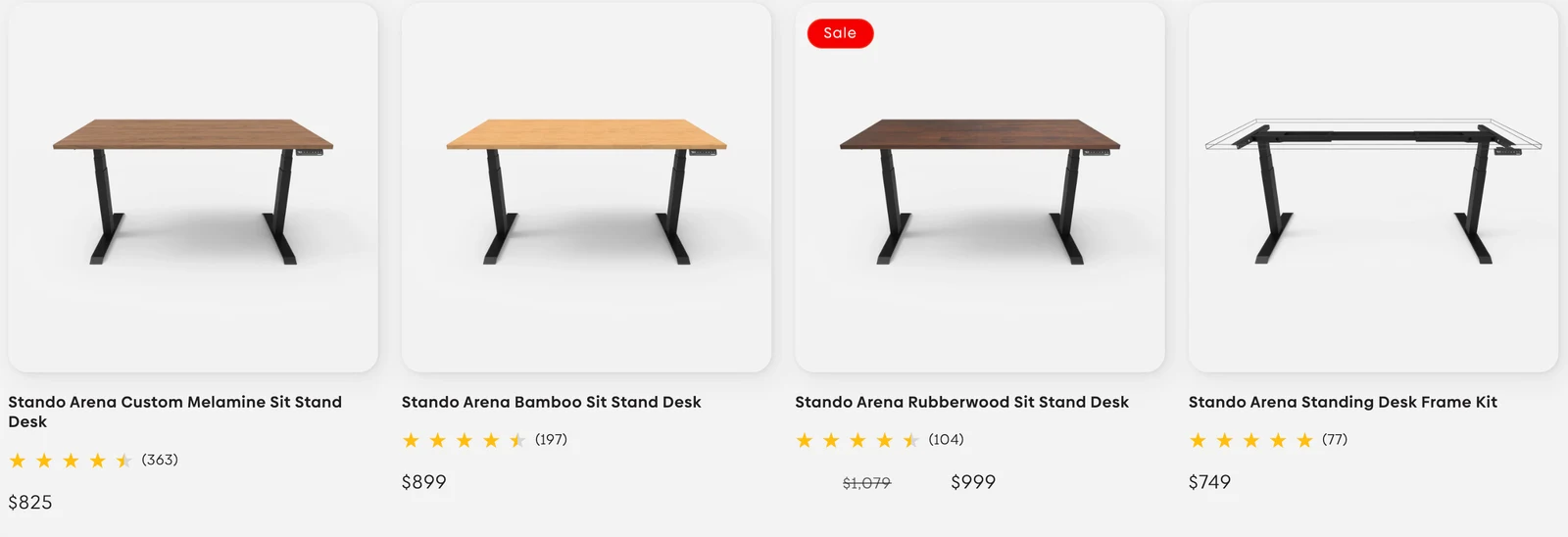
A list of issues or a rising graph needs context. Which service or product does it relate to? Is the right page appearing? Does that page answer the buying question? We investigate the content, site structure and technical detail, then put the useful work in an order you can understand and act on.
We agree which parts will help with the job in front of you. These explanations show what the work is there to do for the business and the people using it.
Review real pages and available data so the findings relate to your offer and priorities.
Connect the way customers search with the service, product or explanation that could help them.
Give the page enough substance for someone to understand the differences and their next step.
Keep the relevant business details and locations clear across the places customers find you.
Investigate how search systems access and interpret the site, alongside the content people read.
Relate visibility and visits to dated page examples, with a clear explanation of what to review next.
Standalone audits, work alongside a website project, or an agreed ongoing scope. We report what the evidence supports and do not promise a ranking, traffic figure or number of leads.
Where your input matters. We agree which parts of the business matter most and what data is available. You confirm the offer and business facts; we investigate, explain the priorities and bring the proposed work back to that context.
Where there is a clear scope and useful work to do. We agree the priorities, changes and reporting around your business. That may involve content, technical work or reviewing what the data tells us about a particular page.
We agree what can be checked and what matters to the business. Reports explain the pages and date periods involved, what changed and the next useful action. Search visibility, website visits and enquiries are separate signals; we say what the available tracking can establish.
Clear, accessible, well-supported content is a useful foundation. Emerging search features are considered in context, without claims about guaranteed inclusion or AI rankings.
How the work takes shape
Someone comparing a product needs different information from someone learning what a service involves. We look at those intentions, the pages available and the evidence, then decide where clearer information or technical work is needed.
Agree which services and products matter, then review the available search data, page structure and technical checks in that context.
Look at the buying questions, product differences and related information. Connect relevant pages and address the gaps that make the offer harder to understand.
Check the agreed work and relate reporting to particular pages and date periods. Explain the next action and the limits of what the data can show.
In the work
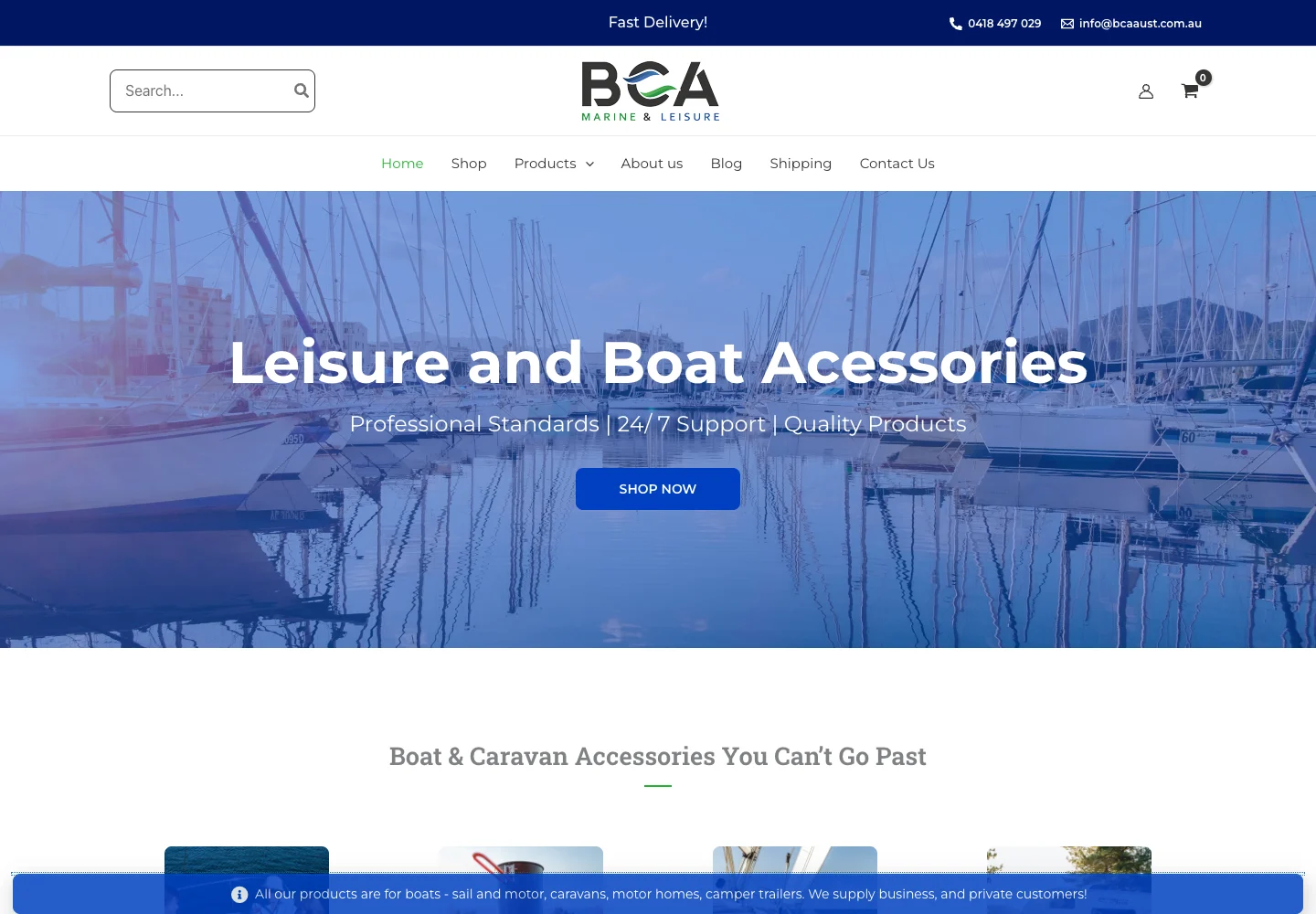
STANDO's collection planning and BCA Australia's folding-table page bring search work back to specific buying questions. Their cases include dated visibility and page evidence, with the reporting limits explained.
Useful guides
Understand what is being measured, which foundations matter and what deserves attention next.
Search & measurement
Crawling, indexing, sitemaps and canonical URLs, with the business purpose kept in view.
Read the guideSearch & measurement
A plain-language guide to schema, rich-result checks and keeping the underlying facts right.
Read the guideSearch & measurement
How customer language, useful page structure and clear next steps work together.
Read the guideSearch & measurement
Business profiles, service areas, reviews and the practical information customers need next.
Read the guideSearch & measurement
Clicks, enquiries and outcomes, with dates and definitions that make the difference clear.
Read the guideThe thinking behind the tools
How we choose the setup, where the work adds value and what needs thought along the way.



Use search data, website checks and dated evidence to decide what needs attention, then explain what the numbers can tell us.
A useful next step
Start with a few rough notes, a website link or one example of what needs attention. You do not need a finished brief.
Let's talk